
Deciphering the Eisenhower Matrix: A Deep Dive into Effective Prioritization
In a world teeming with endless tasks, responsibilities, and distractions, the Eisenhower Matrix emerges as a beacon of clarity, guiding individuals toward not just doing more, but doing what truly matters. Named after Dwight D. Eisenhower, the 34th President of the United States, this prioritization strategy transcends its historical roots, offering timeless insights into managing the modern-day deluge of to-dos. This article delves into the nuances of the Eisenhower Matrix, exploring its methodology, applications, and ways to integrate it into daily life for enhanced productivity and well-being.
The Eisenhower Matrix Explained
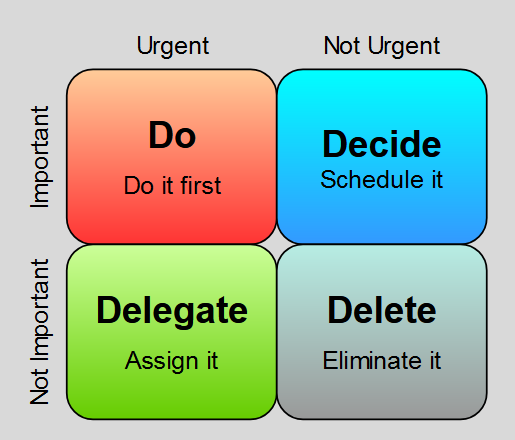
At its core, the Eisenhower Matrix is a simple yet powerful tool for prioritizing tasks based on two key dimensions: urgency and importance. It divides tasks into four quadrants:
- Urgent and Important (Do First): Tasks that require immediate attention and are crucial for your goals or responsibilities.
- Important but Not Urgent (Schedule): Tasks that are important for long-term goals and success but do not require immediate action.
- Urgent but Not Important (Delegate): Tasks that need to be done soon but do not significantly contribute to your long-term objectives.
- Neither Urgent nor Important (Eliminate): Activities that offer little to no value and should be minimized or eliminated.
This categorization compels individuals to critically evaluate their tasks, moving beyond the perpetual firefighting mode to a more strategic, goal-oriented approach.
The Benefits of the Eisenhower Matrix
Clarity and Focus: By distinguishing between urgency and importance, the Matrix brings clarity to what truly deserves your time and energy, enabling a sharper focus on tasks that align with your goals and values.
Stress Reduction: Understanding what needs immediate attention and what can wait reduces the overwhelm and stress associated with a crowded to-do list, making workload management more manageable.
Strategic Delegation: Identifying tasks that can be delegated not only lightens your load but also empowers others by entrusting them with responsibilities, fostering a collaborative environment.
Time Liberation: Eliminating or minimizing tasks that are neither urgent nor important frees up time for personal growth, leisure, and pursuits that enhance well-being.
Implementing the Eisenhower Matrix
Step 1: List Down Tasks: Start by listing all the tasks you need or want to do. This can range from immediate work deadlines to long-term personal goals.
Step 2: Categorize Each Task: Evaluate each task based on its urgency and importance, and place it in the corresponding quadrant of the Matrix.
Step 3: Take Action: Address the tasks in the following order of priority:
- Do First: Tackle these tasks immediately. They are critical for immediate success or crisis management.
- Schedule: Plan these tasks for later. They are essential for your growth and achieving long-term objectives.
- Delegate: Identify tasks that others can do and delegate them appropriately. This is crucial for efficiency and team development.
- Eliminate: Minimize or eliminate these tasks. They are distractions that detract from your productivity and focus.
Step 4: Review and Adapt: Regularly review your Matrix to adjust to changing priorities and tasks. Flexibility is key to maintaining its effectiveness.
Challenges and Solutions
While the Eisenhower Matrix is a robust framework, its application can be challenging. Differentiating between urgent and important tasks requires practice and reflection. Additionally, the urge to tackle urgent but not important tasks can be strong, driven by external pressures or a false sense of productivity.
To overcome these challenges, it’s helpful to:
- Reflect Regularly: Take time to reflect on your goals and priorities, ensuring your tasks align with them.
- Set Boundaries: Learn to say no to tasks that don’t align with your important goals, and set clear boundaries with colleagues and family.
- Seek Feedback: Regular feedback from mentors, peers, or a coach can provide insights into how you prioritize and manage your time.
Conclusion
The Eisenhower Matrix is not just a time management tool; it’s a principle for living intentionally. By helping individuals discern what truly matters, it paves the way for a more productive, fulfilling life. Integrating this matrix into your daily routine can transform overwhelming chaos into a structured pathway toward achieving your most valued goals. In the journey of life, where time is the most precious commodity, mastering the Eisenhower Matrix is akin to wielding the compass that ensures you’re always headed in the right direction.
Written by ChatGPT