
Parenting is an intricate and rewarding process that can significantly impact a child’s growth and development. As a parent, you are responsible for shaping your child’s personality, values, and beliefs. One of the most critical factors in this process is the parenting style that you adopt. Parenting style refers to the way in which you interact with your child, express your expectations, and provide support and guidance.
There are different approaches to parenting, each with unique characteristics that can shape a child’s emotional, social, and cognitive development. Some parents are strict and demanding, while others are more lenient and permissive. Some parents prioritize warmth and support, while others emphasize discipline and structure. Your parenting style can affect your child’s behavior, self-esteem, academic achievement, and overall well-being.
It is essential to note that there is no one “right” way to parent. Different parenting styles can be effective depending on the child’s personality, temperament, and cultural context. However, research has identified four distinct parenting styles that are prevalent in Western societies: authoritative, authoritarian, permissive, and uninvolved. Each style has unique characteristics that can significantly impact a child’s development.
As a parent, it is crucial to understand your parenting style and how it can impact your child’s development. By adopting a balanced and healthy approach that meets your child’s needs and promotes their well-being, you can help them develop into confident, competent, and resilient individuals.
Authoritative Parenting Style
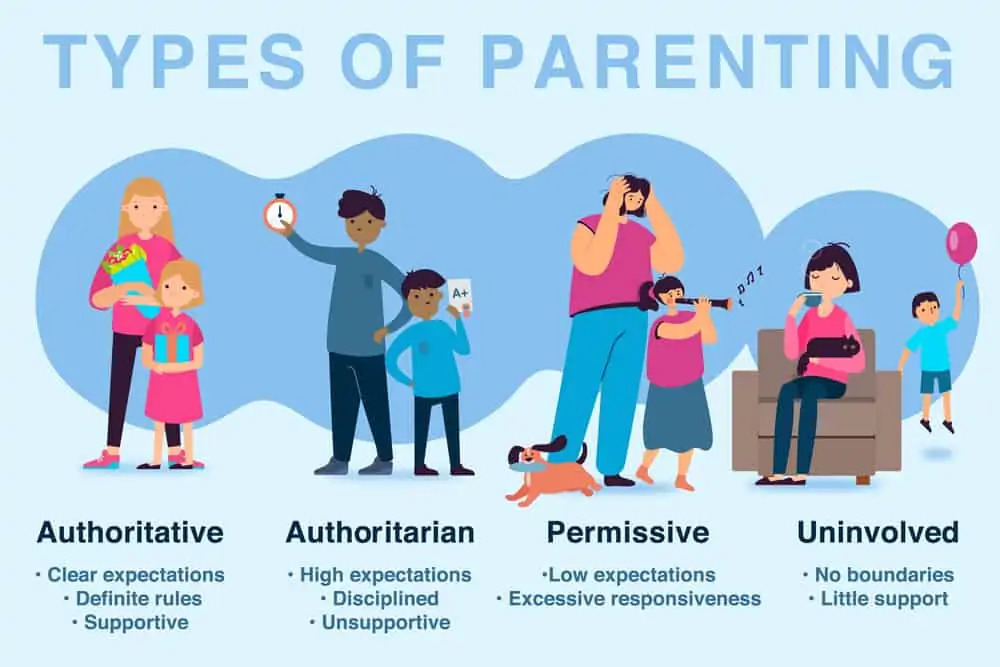
The authoritative parenting style is characterized by warmth, responsiveness, and clear expectations. Parents who adopt this style are nurturing and supportive towards their children’s needs and feelings, while also setting clear rules and boundaries. They provide guidance, support, and encouragement towards their children’s growth and development and offer explanations for their decisions and expectations.
Authoritative parents tend to be flexible and open to their children’s opinions and ideas, while still maintaining control and accountability. They foster communication and mutual respect with their children, promoting autonomy and self-discipline.
The outcomes and effects of authoritative parenting style are generally positive for a child’s development. Children raised in an authoritative household tend to have high levels of self-esteem, academic achievement, and social competence. They have a strong sense of responsibility, empathy, and self-regulation, which enables them to navigate challenging situations and relationships successfully.
Authoritarian Parenting Style
The authoritarian parenting style is characterized by high expectations, strict rules, and a lack of warmth and flexibility. Parents who adopt this style are often demanding, controlling, and punitive towards their children’s behavior. They set high standards for their children’s academic, social, and moral development and enforce them through punishment and discipline.
Authoritarian parents tend to use fear, threats, and intimidation to maintain control over their children and may not take their children’s feelings or opinions into account. They do not offer explanations for their rules or decisions and expect their children to obey without questioning.
The outcomes and effects of authoritarian parenting style can be mixed. Children raised in an authoritarian household may have high levels of self-discipline, achievement, and conformity to societal norms. They may excel academically and have a strong sense of responsibility and respect for authority figures.
However, authoritarian parenting can also lead to negative outcomes such as low self-esteem, social anxiety, and poor decision-making skills. Children raised in an authoritarian household may lack confidence, creativity, and independence, as they are not given the opportunity to express their opinions or make their own choices.
Permissive Parenting Style
The permissive parenting style is characterized by a lack of structure, rules, and consequences. Parents who adopt this style are nurturing and loving towards their children but do not enforce clear expectations or boundaries. They tend to avoid conflict, prioritize their children’s happiness over discipline, and give in to their children’s demands and whims.
Permissive parents often act as friends rather than authority figures and may struggle to discipline their children effectively. They do not set consistent limits on their children’s behavior or monitor their activities closely, which can lead to a lack of responsibility and self-discipline. Permissive parents also tend to be indulgent and overprotective, shielding their children from the consequences of their actions and decisions.
The outcomes and effects of permissive parenting style can be problematic for a child’s development. Children raised in a permissive household may have difficulty following rules, respecting authority, and accepting criticism. They may lack self-control and social skills and struggle to adapt to new situations or environments. Permissive parenting can also lead to entitlement and selfishness, as children may feel entitled to have their desires and needs met without regard for others.
Uninvolved Parenting Style
The uninvolved parenting style is characterized by a lack of emotional involvement and responsiveness from the parents towards their children’s needs. Parents who adopt this style are often distant, uninterested, and neglectful of their children’s well-being. They provide basic needs such as food, shelter, and clothing but offer minimal guidance, support, or attention beyond these necessities.
Uninvolved parents are often preoccupied with their own lives, work, or personal problems, which may prevent them from being available to their children. They do not prioritize their children’s emotional, social, or academic needs, and they do not set clear boundaries or expectations for their behavior.
The outcomes and effects of uninvolved parenting style can be damaging to a child’s development. Children raised in an uninvolved household are likely to have low self-esteem, poor academic performance, and social isolation. They may develop behavioral problems such as aggression, disobedience, and lack of empathy towards others. Uninvolved parenting can also lead to mental health issues such as depression, anxiety, and substance abuse.
Conclusion
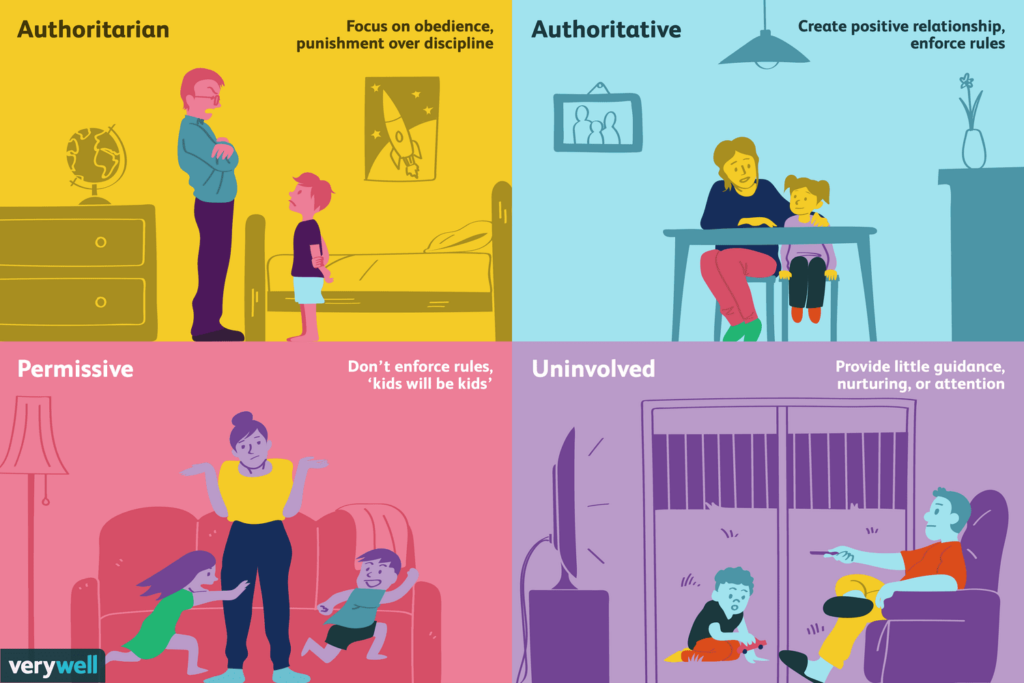
Parenting styles play a critical role in shaping a child’s growth and development. While there is no one “best” parenting style, research suggests that the authoritative parenting style is associated with the most positive outcomes for children. This style fosters a positive environment that promotes children’s growth and success by providing emotional support, clear guidance, and consistent boundaries.
It is crucial for parents to understand their parenting style and strive to adopt a balanced and healthy approach that meets their children’s needs and promotes their well-being. Authoritative parents who are warm, responsive, and clear in their expectations have children who tend to have high levels of self-esteem, academic achievement, and social competence. Such children also have a strong sense of responsibility, empathy, and self-regulation, which enables them to navigate challenging situations and relationships successfully.
Ultimately, parenting is a journey that involves constant learning, adaptation, and growth. By being mindful of their parenting style and striving to create a positive environment for their children, parents can raise confident, competent, and resilient individuals who are equipped to navigate the challenges of life successfully.
Written by ChatGPT